

Spring at the Sanctuary: How the Season Affects Rescue Horses in Central Oregon
Humans are not the only ones who seem to wake up a little in spring. As the days grow longer and the weather begins to soften, horses often respond too, with more movement, more energy, and small changes that tell their own story. In the Bend area, though, spring comes with its own challenges. Central Oregon’s high-desert climate can bring mild afternoons, chilly nights, and fast-changing ground conditions, all of which shape daily care at a sanctuary.
When the Horses Start to Feel Like Spring
One of the first things we notice in spring is a change in the horses themselves. As the days get longer and the weather softens, many seem more alert, curious, and ready to move. Some grow more playful or social, while others simply seem more engaged. Last spring, Jupiter showed that energy in his own way, turning fresh water delivery into a full splash session while the rest of Beauty’s herd waited for the excitement to pass.
Spring in Central Oregon can still be unpredictable. A bright, mild day may be followed by a cold night, frost, or softer ground underfoot, so daily care still takes close attention.
Horses may have more energy, but turnout, shelter access, and routines often still need to shift with the weather. More movement can also change herd dynamics, especially after a quieter winter, so older horses, those with soundness issues, and horses still recovering from neglect may need a little extra watching.
At the same time, spring can reveal encouraging signs of progress. A horse that seemed quiet or withdrawn during the colder months may begin engaging more with herd mates, caretakers, or the world around them. We sometimes see that in horses like Bree, where even small signs of curiosity or connection can feel meaningful.
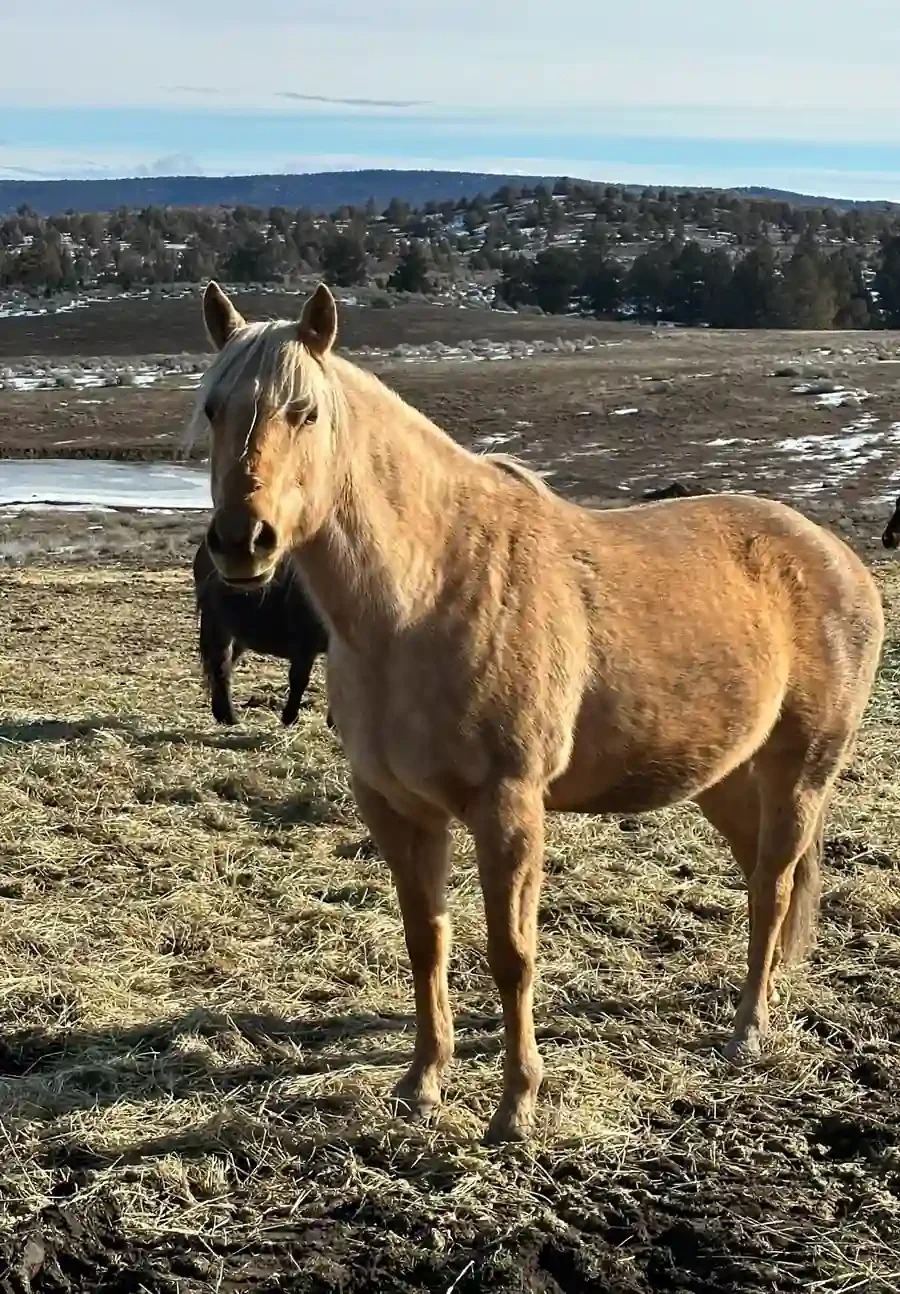
Bree
Did you know? Bend’s elevation and high-desert climate can make spring feel less settled than people expect, with warmer days often followed by very cool nights.
Why Spring Ground and Hoof Care Matter So Much
Spring footing can be one of the biggest day-to-day challenges at a sanctuary. Even in Central Oregon, where the climate is generally dry, spring can bring snowmelt, wet patches, and uneven ground. That matters for horses, especially seniors, those with arthritis, or horses already dealing with hoof issues. Muddy or unstable footing can lead to slips, strains, and added stress on the feet and legs.
Spring also tends to make hoof issues easier to spot. More turnout, changing moisture levels, and softer ground can all affect how a horse moves. For horses who came from neglect cases, healthy hoof growth may still be a work in progress, and that takes time, regular farrier care, and patience.
This is why spring care is so hands-on. Clean dry areas, safe walkways, regular mucking, good drainage, balanced trimming, and close attention to tenderness, thrush, cracks, or uneven wear all help horses stay comfortable and move more easily. When horses feel better in their feet, it often shows up everywhere else too. They move more freely, seem more at ease, and settle into daily life more comfortably.
Did you know? In Central and Eastern Oregon, many pastures are most productive in spring and early summer before hotter, drier weather slows growth unless irrigation is available.
The Grass Gets Greener, but It Still Takes Caution
One of the nicest parts of spring is seeing the land wake up again. But green grass is not always simple for horses. Some do well with richer spring forage, while others need a slower transition, especially if they are easy keepers or have metabolic concerns.
In rescue work, horses do not always come with a complete medical history, so changes in weight, movement, hoof comfort, and body condition deserve close attention. Pasture can absolutely be part of healing, but it works best when it is matched to the individual horse rather than treated the same for everyone.
Shedding Season Tells Its Own Story
A shedding coat is one of the surest signs that spring has arrived. Grooming helps horses stay comfortable, but it also gives caretakers a closer look at body condition, old scars, skin irritation, and sore spots that may have been hidden under a winter coat.
In a rescue setting, that daily care means more than simple upkeep. For horses who came from neglect or fear, quiet grooming can also become part of building trust and helping them feel more at ease with human touch.
Spring is often when progress becomes easier to see. A horse who arrived underweight, rough, or shut down may begin to look healthier, feel better, and respond more calmly to care. Those changes do not happen all at once. They come through steady, consistent attention over time. We have seen that in horses like Black Beauty, whose progress became easier to recognize over time in both her condition and her presence.
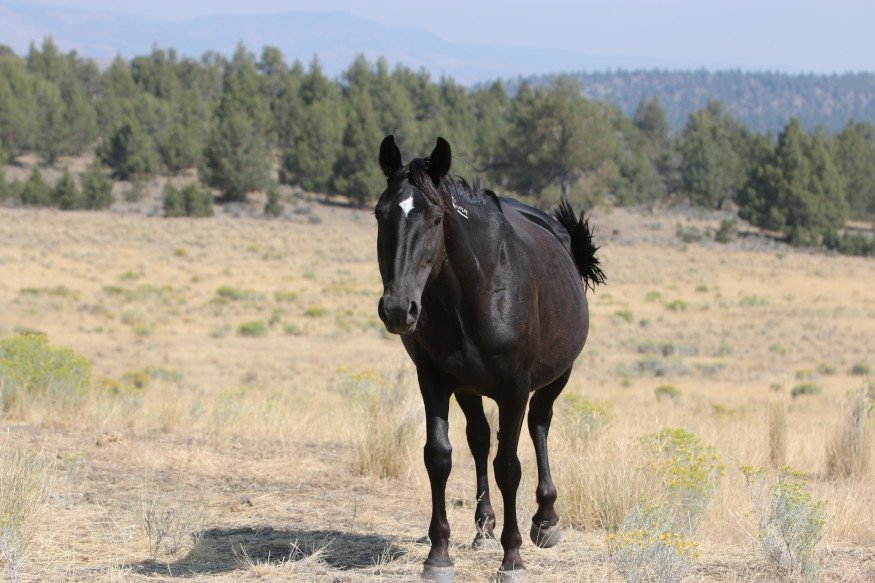
Black Beauty
The Horses Who Need a Little More Watching
At a sanctuary, many horses are older or live with long-term medical or soundness issues, so spring can be a little harder on them. Damp mornings, uneven footing, and changes in activity can all affect comfort.
Some older horses move stiffly at first and loosen up later in the day. Others need closer attention as pasture changes or do better with steady, predictable turnout. In lifelong sanctuary care, those small adjustments matter. Horses like Shasta remind us how much a steady presence can mean in a sanctuary herd, and how important it is to support older horses with the close attention they deserve.
That is why close observation is so important. Small changes in posture, appetite, movement, or social behavior can be early signs that a horse needs extra support.
Did you know? Spring can reveal progress just as much as it reveals problems. Horses that seemed shut down in winter may begin showing more interest in people, herd mates, and their surroundings as they feel safer and stronger.
A New Season, Same Steady Care
In a place like Bend, spring carries both beauty and unpredictability. The high-desert climate, cool nights, changing ground conditions, and seasonal pasture growth all shape what good horse care looks like.
For rescue horses, healing is often built through routine: fresh water, safe footing, regular farrier care, appropriate nutrition, quiet grooming, and calm handling. Spring may look gentle from a distance, but at a sanctuary it is an active season full of adjustments, observation, and care.
At Broken Arrow, spring is a reminder that every season asks something different of the people who care for horses. It is also a reminder that rescued horses continue to benefit from the same things they have always needed most: safety, consistency, and the chance to keep moving forward.