

THE POWER OF HOOVES:
RESTORING SOIL, WATER, AND LIFE
We are embarking on a dynamic, long-term project to restore native habitat to Oregon’s high desert landscape. Through regenerative land management, we will revitalize soil health, reestablish native vegetation, and create thriving ecosystems that support biodiversity and ecological resilience.
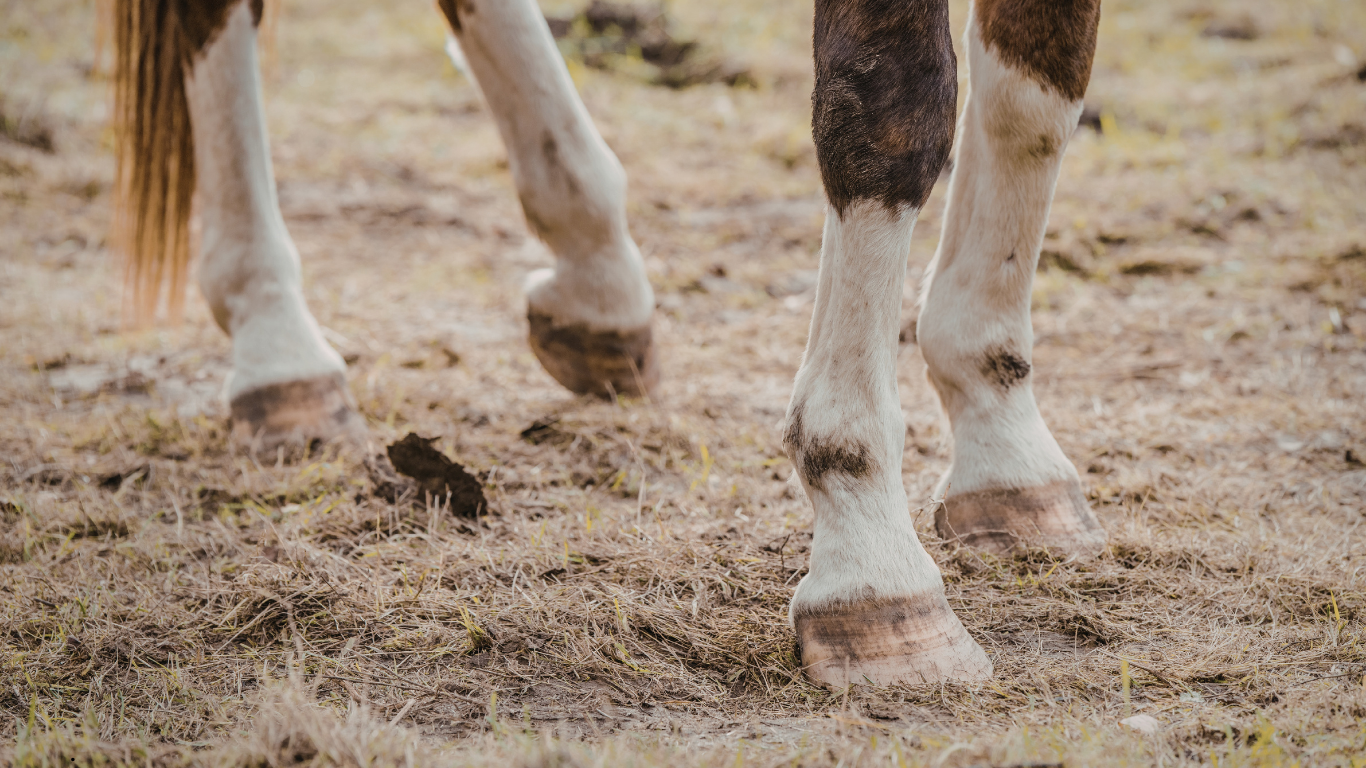
A key element of this initiative will be utilizing the horses who call the Ranch home in a rotational grazing plan to mimic the natural movement of native herbivores such as mule deer, pronghorn antelope, and elk. By guiding equine herds across the land in strategic patterns, we will prevent overgrazing, stimulate seed dispersal, and aerate the soil—enhancing its ability to retain moisture and support native plant regeneration. This project will set a new standard for integrating equine stewardship with land restoration, demonstrating how animal movement can be a powerful force for ecological healing.
Pole Creek Restoration Project
This project reflects our commitment to caring for this high desert refuge as a sanctuary for horses and wildlife as well as a living ecosystem.
To learn more about this project click here
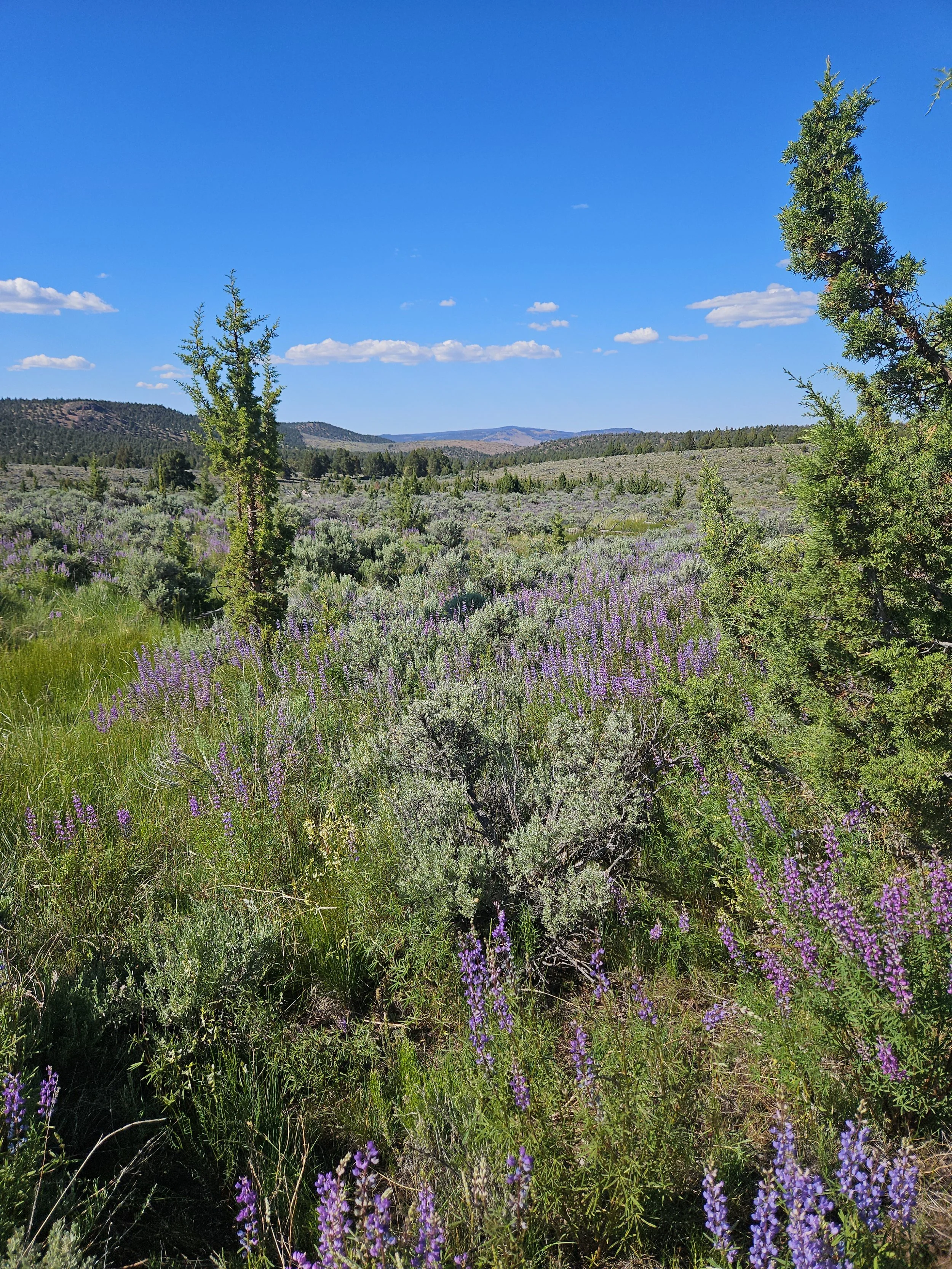
A critical focus of our regenerative land initiative will be restoring the natural flow of springs and waterways, essential to the survival of Oregon’s high desert ecosystem. In the sagebrush biome, the spread of western juniper has disrupted the natural balance by outcompeting native vegetation, depleting groundwater, and reducing habitat quality for wildlife. Juniper trees absorb significant amounts of water, lowering water tables and drying out springs, streams, and riparian areas. By strategically removing encroaching juniper, we will improve water retention, increase soil moisture, and allow native grasses, forbs, and shrubs to regenerate. This restoration will enhance habitat for species like sage grouse, songbirds, bighorn sheep, and pronghorn antelope while improving overall ecosystem resilience and biodiversity.
To further strengthen the resilience of the landscape, we will implement a comprehensive native seed propagation program. By collecting and cultivating seeds from locally adapted plant species, we will actively restore diverse, native plant communities that support pollinators, improve soil structure, and increase carbon sequestration. This initiative will encourage the natural regeneration of deep-rooted vegetation, helping to stabilize the land, prevent erosion, and enhance its ability to store carbon—directly contributing to climate change mitigation. Over time, we envision a landscape where sagebrush, bunchgrasses, and wildflowers flourish, providing a foundation for a rich and biodiverse ecosystem that supports both wildlife and livestock in harmony.
By integrating thoughtful stewardship with the wisdom of the natural world, we will create a model for regenerative land management that can be shared and expanded beyond our sanctuary. Our work is guided by the understanding that the land has its own rhythms, patterns, and cycles, shaped over thousands of years by the movement of animals and the flow of water. Through regenerative grazing, habitat restoration, and the reintroduction of native plants, we will help realign these natural processes, creating a landscape that is not only productive but also self-sustaining. This project is about more than just restoring a landscape—it is about fostering resilience, reviving ecological relationships, and demonstrating how animals and humans can work together to regenerate the land. Our efforts will not only benefit Oregon’s high desert but will also serve as a beacon for those seeking a deeper, more meaningful connection with the natural world.
Pole Creek Restoration Project
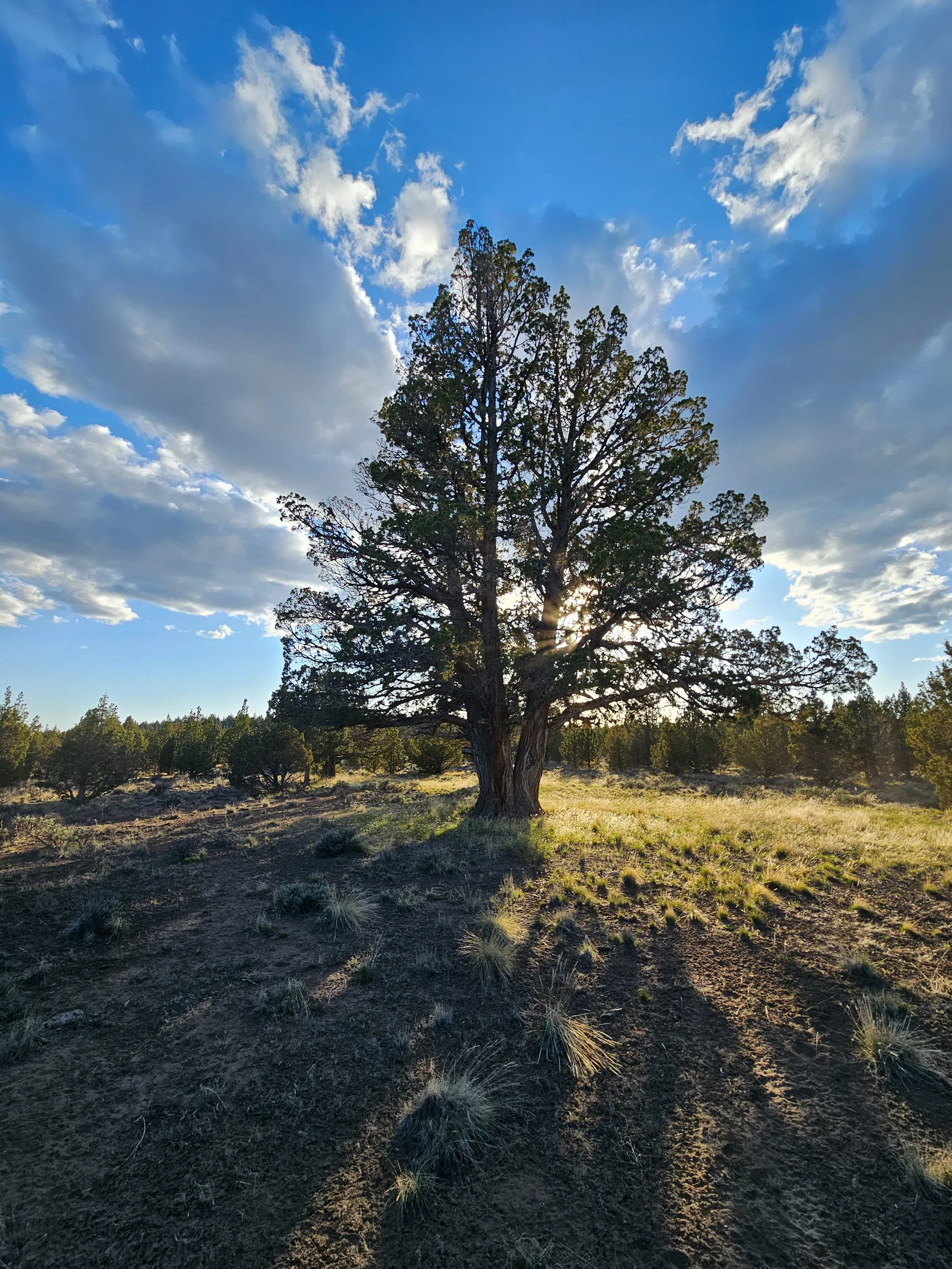
One of our most significant ongoing efforts is the Pole Creek Restoration Project. The goal is straightforward: bring one of the ranch's creek corridors back to ecological health by improving water retention, restoring riparian habitat, and reestablishing the native plant communities that belong there.
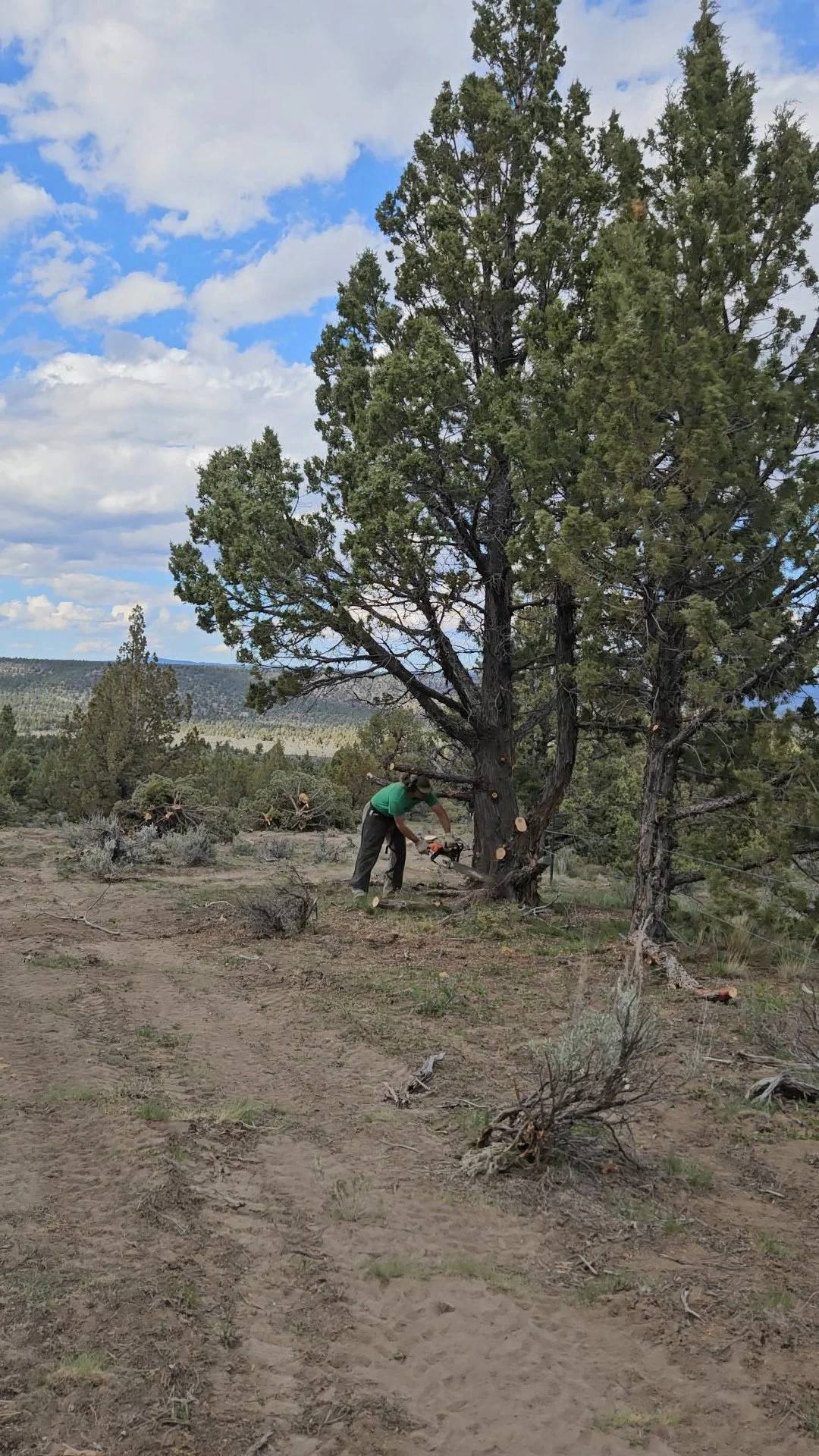
The project unfolds in three phases. Phase one is juniper clearing. As established by Oregon State University research conducted right here in central Oregon, a single mature juniper consumes an average of 4,718 gallons of water per year. This is water that never reaches the soil, the grasses, or the creek below. Removing juniper from the Pole Creek corridor and watershed is the first and most impactful step in returning water to the land.
Phase two is reseeding. Once the juniper is cleared, native bunch grasses are reseeded into the treatment area and the land is given time to rest—no grazing pressure, no disturbance. This is where patience becomes part of the practice.
Phase three is where the water work happens. Beaver Dam Analogues and earthen swales are installed to slow water movement, spread runoff across the landscape, and reduce soil erosion. Fragile riparian areas and streambeds are fenced off to protect recovering vegetation and give the creek corridor the space it needs to stabilize and regenerate.
Pole Creek is one example of what regenerative stewardship looks like on the ground. It is slow, methodical, and in-collaboration with the land.
Pole Creek Restoration Project Team
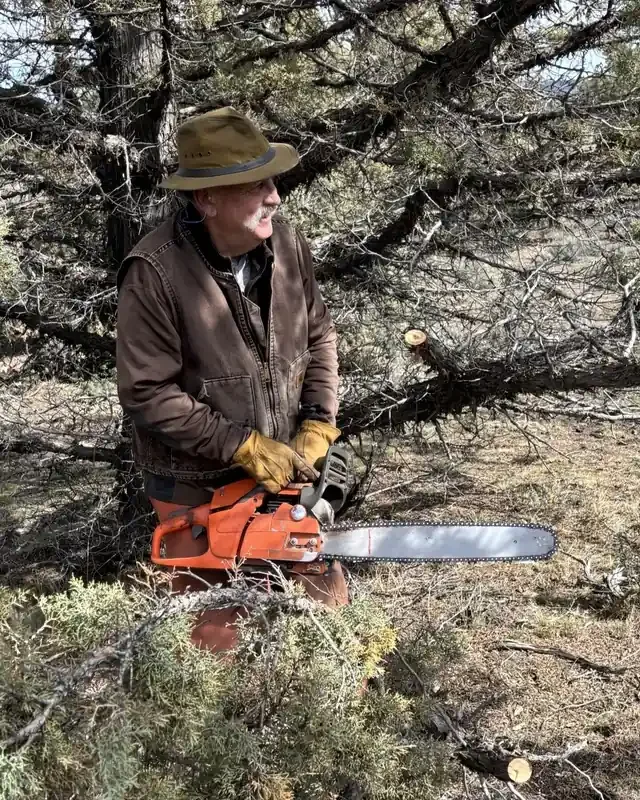
Mark
Mark keeps the work moving by servicing the chainsaw between cuts, sharpening the chain, topping off the bar oil, and making sure the equipment is ready for the next stretch of work. Well-maintained tools matter when there is serious restoration to be done, and Mark’s steady hands help keep the project running strong.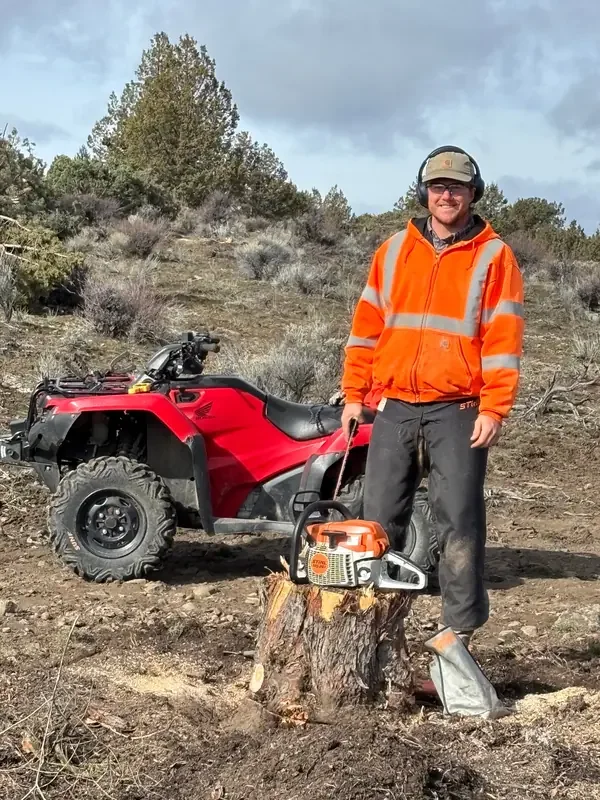
Andrew
Andrew, chainsaw in hand and stump at his feet, represents what restoration looks like in real time. One less juniper drawing water from the creek. One more step toward a healthier watershed. The work is physical, intentional, and tied directly to the future of this landscape.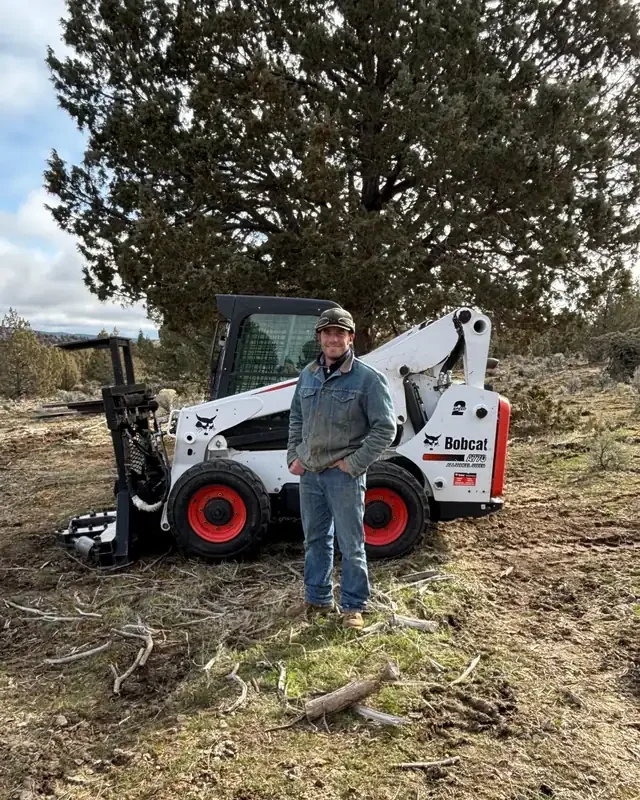
Austin
Austin and the Bobcat A770 are essential to the Pole Creek crew. Heavy lifting, clearing, stacking, and opening the land back up to sky and water all begin here. His work helps transform cut material into visible progress on the ground. It is satisfying work, and it shows.Restoring the land is a collective effort, and we invite you to be part of it! Whether through hands-on projects, learning opportunities, or supporting our mission from afar, your involvement makes a difference. Subscribe to our newsletter to stay updated on projects and ways to help, and follow us on social media for real-time updates and inspiration.