

Healthy Land, Free Herds
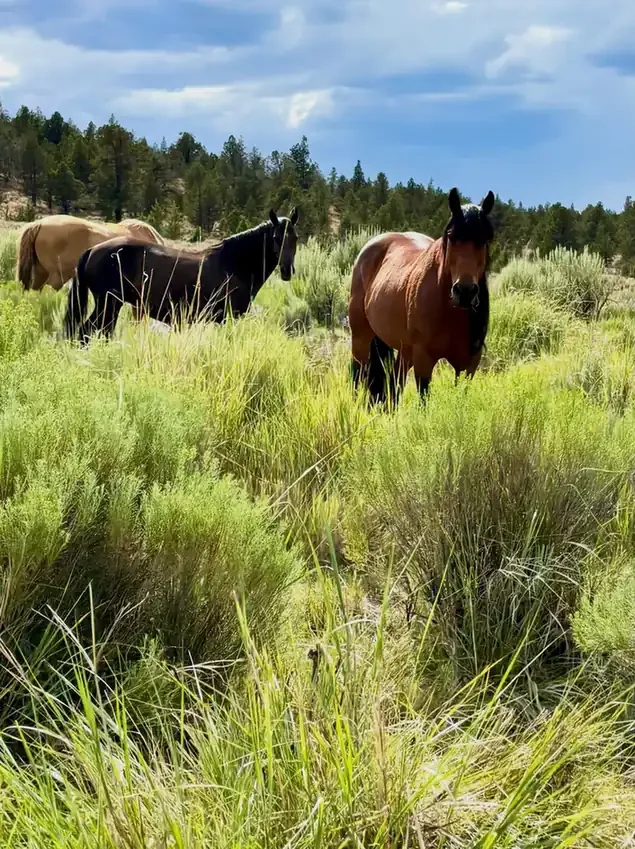
Summer at Broken Arrow Ranch & Sanctuary is a season of color and movement. Indian paintbrush and lupine spread across the landscape. Green pasture stretches beneath Central Oregon skies. Rescued horses and mules move together through the grass, choosing when to graze, rest, explore, or stay close to their herds.
These peaceful scenes are supported by thoughtful land management. Pastures need time to grow and recover, especially through the heat of summer. The herd needs healthy forage, clean water, safe fencing, and enough room to move naturally. Rotational grazing helps bring those needs together while supporting the long-term health of the sanctuary landscape.
What Is Rotational Grazing?
Rotational grazing means moving horses between pasture areas rather than keeping them on the same section of land throughout the grazing season. While the herd uses one pasture, other areas are given time to rest and regrow.
The timing follows the condition of the land. Grass height, soil moisture, temperature, water availability, herd size, and the rate of plant recovery all influence when it is time to move. A successful rotation stays flexible because pasture growth can change quickly from spring into the drier weeks of summer.
The Oregon State University Extension Service describes rotational grazing as dividing pasture into smaller areas so horses graze one section while plants in the others recover. Its Central and Eastern Oregon guidance also emphasizes watching forage height and pasture condition rather than relying on a rigid calendar.
Why Pasture Rest Matters
Horses are selective grazers. They often return to preferred plants and bite new growth close to the ground. When the same plants are grazed repeatedly, they have less leaf area available to capture sunlight and less stored energy for rebuilding roots and shoots.
Recovery Supports Stronger Plant Growth
Moving the herd gives grazed plants a recovery window. OSU Extension recommends removing horses when forage becomes short and waiting for meaningful regrowth before returning them to that area. In Central and Eastern Oregon, recovery may take several weeks and can vary widely with the season and moisture conditions.
Ground Cover Helps Protect the Soil
A thicker cover of grass and other vegetation helps shield soil from wind, hoof pressure, runoff, and erosion. It can also reduce bare areas where weeds gain a foothold. Across a high desert landscape, preserving ground cover is an important part of keeping the land resilient through heat, dry weather, and changing seasonal conditions.
The USDA Natural Resources Conservation Service connects science-based grazing and land conservation with broader goals such as reducing soil erosion, improving water resources, and supporting healthy ecosystems. These are long-term outcomes built through observation and consistent stewardship.
Wildflowers Are Part of the Summer Story
This summer, Indian paintbrush and lupine have created waves of color across parts of the sanctuary. Wildflowers respond to many factors, including rainfall, soil conditions, seed availability, temperature, grazing pressure, and past land use. Their presence is part of a larger landscape story and a beautiful reminder of what careful stewardship can help protect.
Healthy Land Gives the Herd More Choice
At Broken Arrow, healthy pastures give rescued horses more than access to grass. They have room to move at their own pace, remain connected with their herds, rest, explore, and graze among summer wildflowers. These everyday choices are a meaningful part of sanctuary life.
For Thunder, that freedom includes staying close to the herd he quietly watches over. Thunder was originally rounded up from Oregon's South Steens and spent years in Bureau of Land Management holding. He was later adopted by a nonprofit in Oklahoma, where he lived with his band for several years. When that organization entered a period of restructuring, its founder asked that Thunder and his herd mates be brought home to Oregon.
Today, Thunder has become a steady guardian at Broken Arrow. His leadership is calm and watchful. He helps keep the herd settled as they move, graze, and rest together across the sanctuary. His story shows why freedom is closely tied to safety, belonging, and the ability to remain with familiar herd companions.
Pasture Is One Part of Lifelong Care
Even the healthiest pasture cannot meet every need for every animal in every season. Grass growth changes throughout the year, and the nutritional value of forage changes with it. Senior horses, growing equines, and animals recovering from neglect may require additional hay, grain, supplements, veterinary support, or closer monitoring.
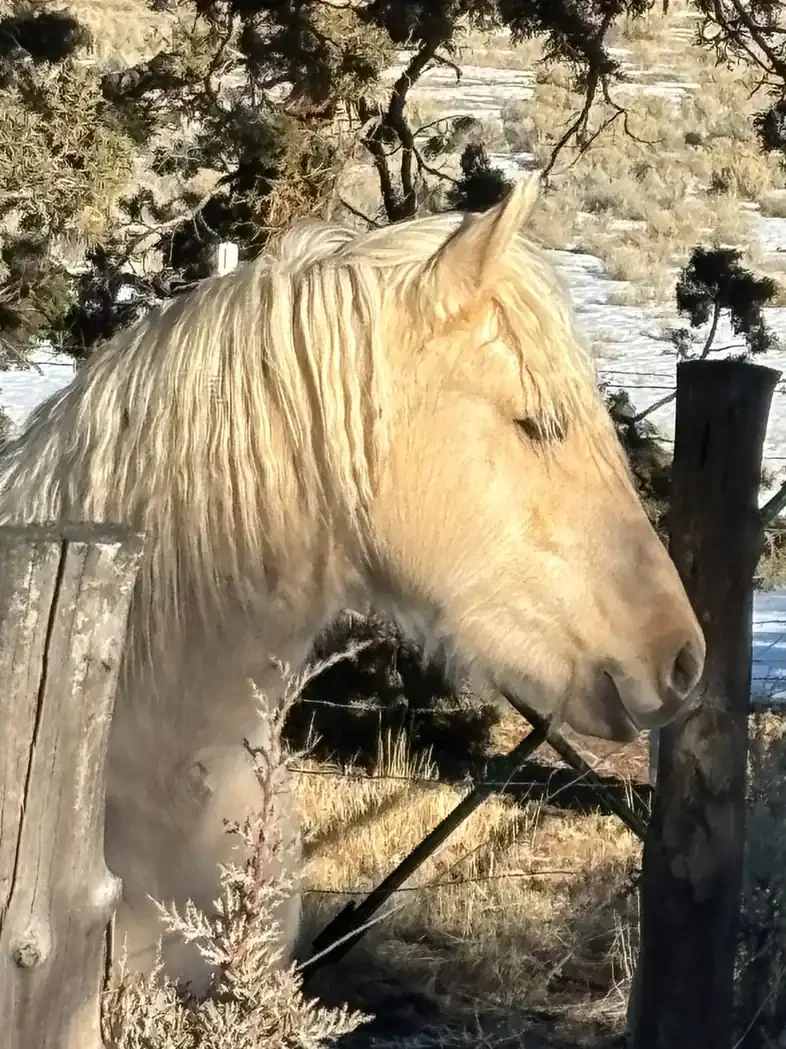
Colibri's story is a powerful example. Four years ago, she arrived from Oklahoma as a tiny, malnourished filly. She was the daughter of Black Pearl and came to Broken Arrow with a dull, matted coat, a small body, and very little energy. During those first weeks, she needed nourishment, patience, and careful attention.
Extra grain, supplements, consistent care, and plenty of love helped Colibri regain her strength. Her coat began to shine, her energy returned, and her curious personality emerged. Today, she is four years old, social, friendly, and quick to come over for attention.
Colibri's transformation shows how pasture management and individualized care work together. Access to healthy land creates opportunities for grazing, movement, and herd life. Close observation helps the sanctuary team understand what each horse needs beyond the pasture.
Colibri
What Rotational Grazing Looks Like Behind the Scenes
A lush summer pasture is the visible result. The work behind it is steady and practical. Rotational grazing requires regular observation and ongoing decisions throughout the season.
- Checking grass height and watching for areas that are being grazed more heavily than others
- Moving horses and mules before preferred plants are repeatedly grazed too short
- Maintaining fences, gates, water systems, and safe access between pasture areas
- Watching soil conditions and limiting use when an area is vulnerable to damage
- Matching pasture access with the nutritional and medical needs of individual equines
- Providing hay and supplemental feed when pasture growth slows or forage is insufficient
Penn State Extension also emphasizes that the recovery period is the most important part of a rotational grazing system. Moving animals is only one step. The land must then receive enough time to rebuild before the herd returns.
Rotational Grazing Supports a Larger Vision
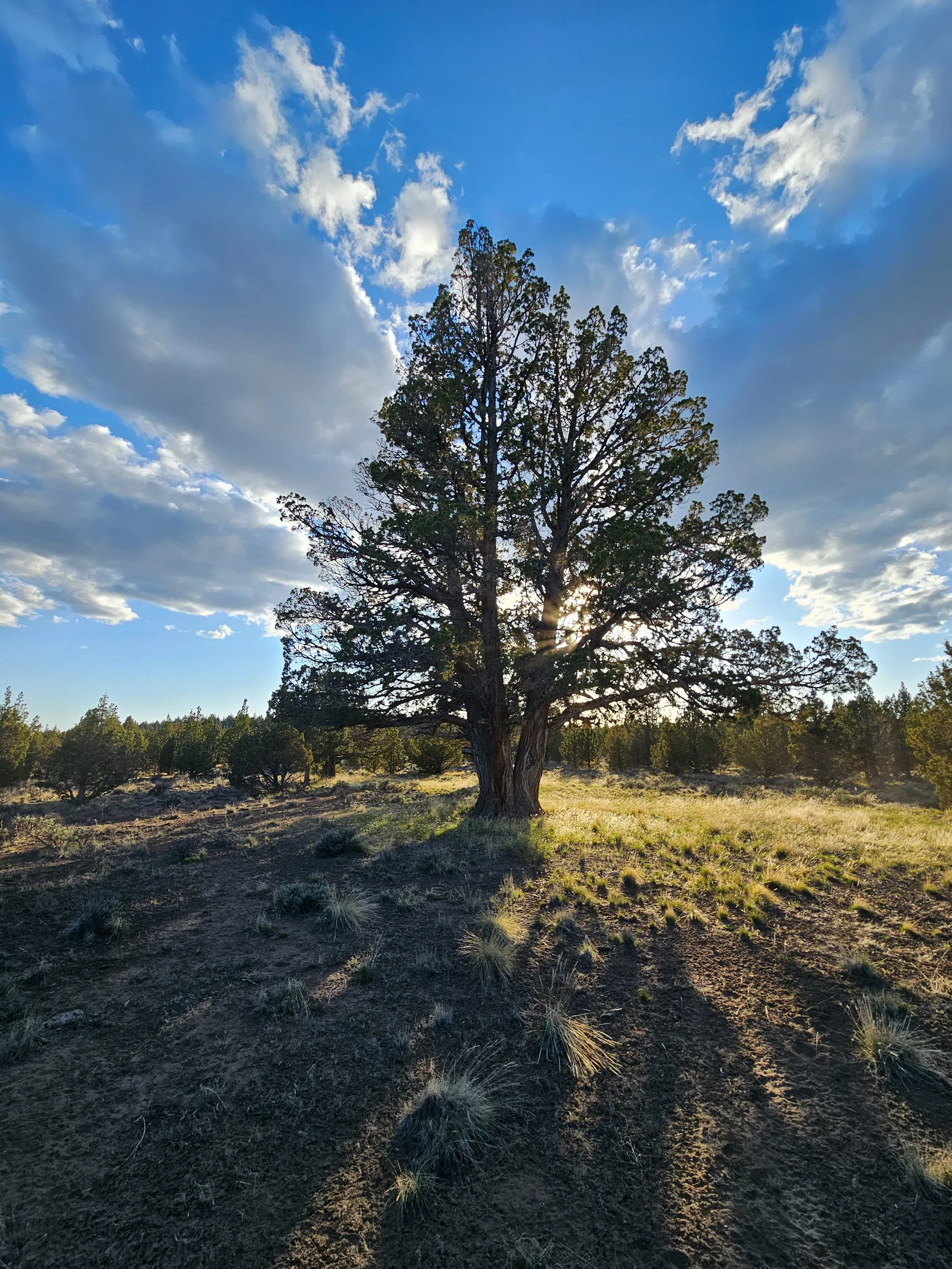
Broken Arrow is more than a place where rescued equines receive food and shelter. It is a 2,000-acre refuge in the southern foothills of the Ochoco National Forest, where animal care and land restoration are deeply connected.
The sanctuary's regenerative land-management work is focused on revitalizing soil health, reestablishing native vegetation, and supporting biodiversity and ecological resilience. Rotational grazing is one tool within that broader commitment. Selective juniper management, water stewardship, native habitat restoration, and careful observation of the land all contribute to the same long-term purpose.
The horses are part of this living landscape, and the landscape is part of their care. When pasture areas are given time to recover, they can continue providing forage, movement, beauty, and habitat. When the land is protected, the herd has more room to live with peace and dignity.
Healthy Land, Free Herds
Across the sanctuary, horses like Thunder and Colibri now have space to move, graze, build herd relationships, and settle into the rhythms of a permanent home. Their stories are different, yet each reflects the same commitment: protect the land, understand the individual, and provide a safe home for life.
Rotational grazing helps Broken Arrow care for both sides of that promise. It supports the pastures beneath the herd's feet and helps preserve the freedom visitors see when horses move together through summer grass and wildflowers.
Healthy land supports a healthy herd. A protected herd gives purpose to the ongoing work of healing the land.
Frequently Asked Questions
Does rotational grazing reduce the horses' freedom?
Rotational grazing guides which pasture area the herd uses at a given time. Within that space, the horses can still move, socialize, rest, explore, and graze together. Rotating pastures helps preserve healthy forage and continued access over the long term.
How often are horses moved to a different pasture?
The schedule varies with forage height, moisture, temperature, pasture size, herd size, and the rate of regrowth. Broken Arrow follows the condition of the land rather than a fixed calendar.
How long does a pasture need to recover?
Recovery time changes throughout the season. OSU Extension notes that regrowth on irrigated pastures in Central and Eastern Oregon may take roughly two to eight weeks, depending on growing conditions. Dryland areas may recover more slowly.
Does rotational grazing help wildflowers?
Rest periods can reduce repeated grazing pressure and give a wider range of plants an opportunity to grow. Wildflower abundance also depends on weather, soil, seeds, temperature, and the history of the land.
Do the horses still receive hay during summer?
Pasture is one source of forage. Hay, grain, supplements, and specialized feeding may also be provided based on pasture availability and the individual needs of each horse, burro, or mule.
How can supporters help care for the land and herd?
Donations and sponsorships can help support fencing, water infrastructure, pasture care, equipment, supplemental feed, veterinary care, and the daily work required to maintain a lifelong sanctuary.
Help Protect the Land They Call Home
Every green pasture, quiet herd moment, and returning wildflower reflects a commitment to lasting sanctuary. Your support helps Broken Arrow Ranch & Sanctuary care for rescued horses, burros, and mules while protecting the land that gives them room to roam.
Support Broken Arrow Ranch & Sanctuary through a donation, sponsorship, or by sharing the sanctuary's story with others.
Sources